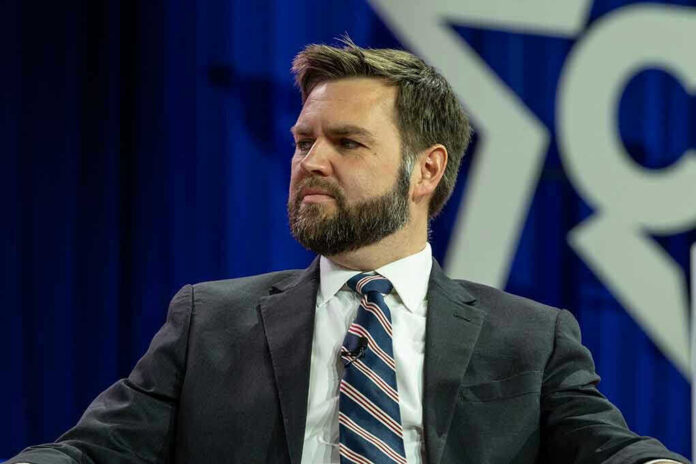
Vice President JD Vance proposed renewed U.S.–Iran talks focused on Iran’s nuclear program, aiming to engage a top hard-liner with real sway inside Tehran’s power structure.
Story Highlights
- Vance sent a letter through Qatari mediators to Mohsen Rezaei, a key Iranian security figure.
- The outreach proposed early, direct talks, with Vance leading the U.S. side.
- The nuclear program would be a required part of any talks, not an afterthought.
- Multiple outlets reported the same core facts, citing U.S. and Iranian officials.
Direct Outreach To An Iranian Power Broker
Vice President Vance reached out to Mohsen Rezaei, a veteran of Iran’s security elite and a former senior commander in Iran’s Islamic Revolutionary Guard Corps, according to several reports. Officials familiar with the outreach said the letter went through Qatari mediators and was meant to reach a figure who can influence Iran’s hard-line camp and the Guard. The move targets the people who can actually say yes or no in Tehran’s system, which often sidelines moderates.
Reports stated the letter proposed that U.S. and Iranian officials meet soon, with Vance leading the American team. Qatar or Turkey were listed as possible sites. Officials said the aim was to restart a serious channel, not to issue public slogans. Timelines mentioned the following week as a possible window, underscoring urgency. While the exact text was not released, outlets described the same recipient, route, and purpose using named institutions and briefed officials.
Nuclear Issue Placed At The Center Of Talks
Axios reported that Vance’s message made one point clear: any talks must tackle Iran’s nuclear program in a direct way. That means no side deals that dodge the core threat. Putting the nuclear file front and center signals that Washington expects real steps, verification, and limits if diplomacy proceeds. The focus also matches how past negotiations moved forward, pairing pressure with clear demands on enrichment and inspections to guard American and allied security interests.
Public pressure and private talks often move together in this file. That pattern showed during the long road to the 2015 nuclear deal, which followed years of quiet contacts and firm pressure. The current approach follows that logic. Engage the people who can deliver, set the nuclear terms early, and test whether Tehran will trade steps for relief or stability. The method is not new, but it can work when the other side believes the United States is serious.
Why The Channel Matters Now
The timing came as President Trump weighed next steps in the conflict and signaled resolve against further escalation by Iran or its proxies, according to multiple reports. Opening a lane to a hard-liner suggests Washington wants to prevent miscalculation while keeping leverage. It also offers a path to de-escalation that does not reward aggression. Talks do not weaken deterrence if red lines remain firm; they can make those red lines clearer and more credible.
BREAKING: NAILED IT! Fearless journalist Mehdi Hasan savages JD Vance for being a shameless racist despite having an Indian family.
This is a knockout punch…
"JD Vance's in-laws' names are Radhakrishna Chilukuri and Lakshmi Chilukuri. I wonder if he tells them this stuff,… pic.twitter.com/FPI9XYiulT
— Occupy Democrats (@OccupyDemocrats) October 27, 2026
Several outlets, including the Wall Street Journal, the Philadelphia Inquirer, and Axios, aligned on key facts: Rezaei was the contact, the channel ran through Qatar, and the nuclear issue would be central. They also reported that locations and dates were discussed as possibilities, not fixed plans. That means the development is a concrete outreach with a defined topic, not a final deal. Officials did not publish the letter itself, so only summarized contents are available from briefings.
How This Fits Conservative Priorities
Securing America means stopping Iran from edging closer to a nuclear weapon while avoiding open-ended wars that drain lives and dollars. The reported Vance plan presses the right target audience in Tehran and puts the nuclear threat at the center. Talking from a position of strength can save American troops and money while defending our allies. That approach protects our sovereignty and keeps focus on peace through strength, not endless concessions or blank checks to bad actors.
What To Watch Next
Watch for confirmation of a meeting date and site, and signs that Iran will address enrichment and inspections in a real way. Look for whether the United States keeps sanctions and military deterrence strong while talks proceed. Also track whether Rezaei can deliver serious engagement from Iran’s Supreme National Security Council and the Guard. These signals will show if the channel can reduce risk, lock in firm limits, and keep Americans safe without rewarding aggression.
Sources:
theamericanconservative.com, investinglive.com, inquirer.com, wsj.com, news.abplive.com, tovima.com