
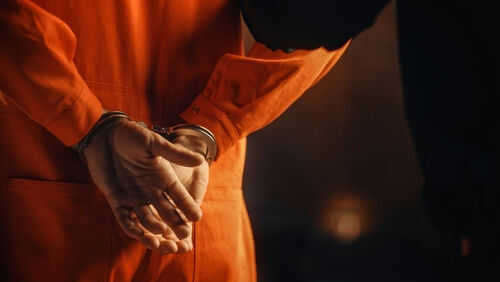
A 69-year-old Jewish man died after being struck with a megaphone at a California protest, yet his killer faces a maximum of just one year in jail—raising troubling questions about whether justice applies equally to all Americans.
Story Snapshot
- Paul Kessler died from blunt force trauma after being struck with a megaphone by pro-Palestine protester Loay Alnaji during November 2023 demonstrations in Thousand Oaks, California
- Alnaji pleaded guilty in May 2026 to involuntary manslaughter and battery, facing only one year maximum jail time plus three years probation despite prosecutors seeking four years
- Medical examiners ruled the death a homicide, but no hate crime charges were filed despite antisemitic rhetoric at the rally
- The lenient plea deal sparked outrage among the victim’s family and prosecutors, fueling concerns about unequal justice in politically charged cases
Fatal Encounter at Dueling Protests
Paul Kessler, a 69-year-old medical salesman and progressive Democrat from Scranton’s Jewish community, attended a pro-Israel demonstration on November 5, 2023, at the intersection of Thousand Oaks Boulevard and Westlake Boulevard. The gathering drew approximately 75 to 100 participants from competing “Freedom for Palestine” and “We are Pro-Israel” groups amid heightened tensions following Hamas’s October 7, 2023 attack on Israel. Witnesses reported Kessler aggressively approached pro-Palestine protesters, shoving his phone in the face of Loay Alnaji, a 54-year-old college professor from Moorpark. During the confrontation, Alnaji struck Kessler in the face with a megaphone, causing him to fall backward and suffer catastrophic head injuries.
Medical Evidence and Homicide Ruling
Kessler died on November 6, 2023, one day after the altercation. The autopsy, conducted by Ventura County medical examiners including Dr. Othon Mena and Christopher Young, confirmed blunt force trauma to the head as the cause of death, ruling it a homicide. Forensic investigators analyzed over 600 pieces of evidence and interviewed more than 60 witnesses. DNA evidence linked Kessler to Alnaji’s megaphone, corroborating the physical contact. Defense attorneys attempted to argue that Kessler’s pre-existing brain tumor contributed to his death, but medical examiners rejected this claim, affirming that facial injuries consistent with the megaphone strike and the subsequent fall caused the fatal trauma.
Controversial Plea Deal Raises Justice Concerns
Loay Alnaji was arrested on November 16, 2023, and charged with involuntary manslaughter and battery causing serious bodily injury, which carried a maximum sentence of four years. In May 2026, just days before his scheduled jury trial, Judge Derek Malan offered a plea deal that Alnaji accepted. The agreement reduced his maximum sentence to one year in jail plus three years probation. Ventura County prosecutors David Russell and Erik Nasarenko publicly opposed the deal, arguing it failed to deliver appropriate justice for Kessler’s death. The victim’s family expressed similar outrage, viewing the lenient sentence as inadequate accountability for a homicide that resulted from reckless conduct at a politically charged demonstration.
No Hate Crime Despite Antisemitic Context
Despite occurring during a period when the Anti-Defamation League reported a 400 percent surge in antisemitic incidents following the October 7 Hamas attacks, prosecutors determined there was insufficient evidence to charge Alnaji with a hate crime. At the May 2024 preliminary hearing, the prosecution explicitly stated no evidence showed Alnaji uttered antisemitic words during the confrontation, though antisemitic rhetoric was documented elsewhere at the rally. This decision aligned with evidentiary standards requiring proof of bias-motivated intent, yet it frustrated many who saw the attack on a Jewish protester in this volatile context as inherently discriminatory. The distinction between prosecuting based on evidence versus perceived motivation highlights ongoing tensions about how the justice system addresses ideologically motivated violence without concrete proof of specific bias.
Are All Lives Still Equal? The Case of Paul Kessler ~ https://t.co/k98h9I2rL8
— MikeKirby (@mikekirbyone) May 7, 2026
Broader Implications for Protest Violence
The Kessler case establishes a troubling precedent for accountability in protest-related violence during America’s increasingly polarized political climate. By charging the fatal confrontation as involuntary manslaughter rather than a more serious offense, and then accepting a plea deal that dramatically reduced potential punishment, the judicial system sent a message that some question: Are all lives valued equally under the law? For conservatives frustrated with what they perceive as selective prosecution and lenient treatment of left-wing violence, this case reinforces suspicions of a two-tier justice system. For Jewish communities already alarmed by rising antisemitism, the light sentence suggests their safety concerns receive inadequate priority. The case also raises questions about prosecutorial discretion in politically sensitive situations, where avoiding trial may serve institutional interests over delivering justice that reflects the severity of taking a human life.
Sources:
LAist: Authorities Explain What Led to Charges in Paul Kessler’s Death
Jewish Journal: Man Pleads Guilty in Paul Kessler Death, Faces Up to One Year
Fox LA: Ventura County Attack Paul Kessler Autopsy Results
Fox News: Jewish Man’s Death at California Rally Complicated by Conflicting Witness Accounts