A point-blank shotgun blast at a Secret Service checkpoint—just feet from a room full of Washington elites—nearly turned the WHCA Dinner into a national catastrophe.
Story Snapshot
- Federal prosecutors say Cole Tomas Allen, 31, charged through a magnetometer at the Washington Hilton during the WHCA Dinner and fired one 12-gauge shotgun round at close range, striking an officer’s vest.
- Authorities say the officer returned fire with five shots, and Allen was arrested before he could reach the ballroom where President Trump and other high-profile attendees were gathered.
- DOJ and investigators describe the incident as a premeditated assassination attempt, citing planning footage, firearm purchase records, and physical evidence recovered at the scene.
- Public debate flared online about whether the officer was hit by “friendly fire,” but prosecutors and Secret Service leadership say video and ballistics show Allen fired first.
What prosecutors say happened at the Washington Hilton
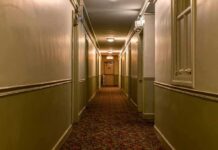
U.S. officials say the attack unfolded around 8:40 p.m. on April 25, 2026, on the Washington Hilton’s Terrace Level during the White House Correspondents’ Association Dinner. Prosecutors allege Allen ran through a Secret Service checkpoint with a long gun and fired one shotgun blast at close range, striking a Secret Service officer in the chest. The officer’s protective vest absorbed the impact, and Allen was stopped before reaching the ballroom.
Law enforcement accounts describe a fast, disciplined response that likely prevented mass panic and a direct threat to the president. Authorities say the injured officer returned fire with five shots from a service weapon, and Allen was taken into custody at the scene with the shotgun, a pistol, and knives. Officials also say the officer’s vest—and possibly items positioned in the vest area—helped prevent a fatal outcome.
Evidence cited to support an “attempted assassination” charge
DOJ filings and investigators characterize the event as planned rather than spontaneous, emphasizing purchase records and surveillance footage. Officials say Allen bought a 12-gauge pump-action shotgun in California in August 2025 and purchased a .38-caliber Rock Island Armory 1911-style pistol in October 2023. Authorities also point to video from the night before the dinner showing Allen “casing” areas of the hotel, which prosecutors argue supports premeditation.
Prosecutors have also leaned on physical evidence to counter claims that the officer may have been struck by someone else’s bullets. Investigators say the shotgun’s spent casing remained in the chamber and that a buckshot fragment was recovered, supporting the claim that the suspect discharged the shotgun once at close range. Officials further say publicly released footage shows the discharge and the suspect aiming toward the officer at the checkpoint.
How a checkpoint breach fuels distrust in federal competence
The WHCA Dinner is not a typical public gathering; it is a dense concentration of political power, media influence, and celebrity access, and security is designed accordingly. Even so, this incident renewed an old bipartisan frustration: many Americans doubt whether institutions can reliably do the basics. Conservatives see a government that spends big yet struggles to deliver core functions like public safety. Liberals worry about rising political violence and instability.
Scrutiny, accountability, and the limits of what’s publicly known
Officials say Allen is detained and faces felony charges, with more possible as the investigation continues. Prosecutors have publicly rejected early online speculation about friendly fire, while defense filings have questioned aspects of the government’s account—an argument that will ultimately be tested in court through evidence, chain-of-custody records, and testimony. For now, the most detailed narrative comes from government statements and selected footage, not a full trial record.
We Know Who Shot the Secret Service Officer During the Trump Assassination Attempt at the WHCA Dinner https://t.co/ZO5GGLwhaq
— ConservativeLibrarian (@ConserLibrarian) May 1, 2026
Politically, the attempted attack also lands in an era when many voters—right and left—believe entrenched “elites” protect themselves while everyday citizens deal with rising costs and insecurity. The uncomfortable reality is that high-profile events often get the strongest security posture money can buy, yet the system still depends on human vigilance at choke points. In this case, officials credit the officer’s response with stopping the suspect before he reached the president.
Sources:
Footage shows White House Correspondents Dinner suspect casing hotel, US attorney says