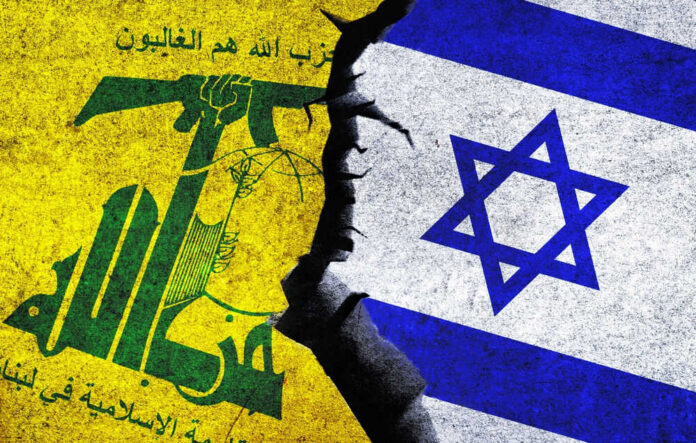
As President Trump ties any Iran deal to stopping Hezbollah’s war on Israel, Americans are watching to see whether Washington’s new red line finally reins in Tehran’s terror proxy or gets buried under the same failed “ceasefire” games we have seen for years.
Story Highlights
- Trump’s team has written Lebanon and Hezbollah directly into a U.S.–Iran memorandum, not as a side note but as a core condition.
- Trump warns he will hit Iran “very hard” and even target its oil and gas if Tehran lets Hezbollah blow past the red line.[1]
- The 14‑point framework calls for an “immediate and permanent” end to fighting on all fronts, including Lebanon, and protects its sovereignty.[7]
- Talks have already been delayed after Israeli–Hezbollah clashes, proving Lebanon can make or break the wider peace track.
Trump Puts Hezbollah On Notice As Part Of The Iran Deal
President Donald Trump has done what past administrations refused to do: make Iran’s use of Hezbollah in Lebanon a central condition of any deal, not a separate “regional file” kicked down the road.[7] A United States summary of the new 14‑point memorandum with Iran says both sides agreed to an “immediate and permanent cessation of military activities on all fronts, including Lebanon,” and pledged to respect “the territorial integrity and sovereignty of Lebanon.”[7] That language puts Hezbollah’s battlefield in the same basket as nuclear issues, sanctions, and maritime security, instead of treating it like background noise. For a conservative audience that watched “side deals” and secret letters under past presidents, simply putting Hezbollah and Lebanon into the main text is a major shift in leverage and in honesty about what drives Middle East chaos.[7]
Trump is not relying on soft words alone. As fighting and negotiations moved in parallel, he warned that if Iran crossed his lines he would hit the regime “VERY HARD TONIGHT” and even take “total control” of its oil and gas industries.[1] He then called off new strikes only after mediators said progress had been made on a framework, including steps tied to Lebanon.[1] This mix of pressure and pause shows a classic Trump pattern that many in this audience know well: walk right up to the edge, make crystal‑clear threats, then give the other side one last chance to choose peace on American terms.[1] Critics call it “whipsaw,” but it is also how you keep Tehran from assuming Washington will blink first every time missiles fly.[1]
Talks Built Around Lebanon Ceasefire And De‑confliction
Vice President JD Vance has openly tied the early days of the talks to Lebanon, not just centrifuges.[7] He said the first sessions would deal with “technical matters as well as the Lebanon ceasefire issue,” and later told reporters that negotiators had “laid the groundwork to reach a favorable outcome” while Iran agreed to admit United Nations nuclear inspectors and keep working on resolving the Israel–Hezbollah fighting in southern Lebanon.[7] Mediators from Qatar and Pakistan say the sides even agreed to a “de‑confliction cell” focused on the Lebanon front, and a senior United States diplomat spoke of new “mechanisms” to keep the Strait of Hormuz open and ensure a ceasefire in southern Lebanon holds.[6] For Trump voters tired of endless war, that structure matters: it means Washington is not trading away sanctions relief or nuclear limits while ignoring rockets raining down on Israel’s border towns.[6][7]
The written framework also anchors Lebanon at the very top. Reporting on the memorandum says its first point calls for a permanent end to “the situation in Lebanon,” alongside the demand that hostilities end on all fronts. Another article says the United States and Iran will both protect Lebanon’s sovereignty and territorial integrity, language that cuts directly against Iran’s long habit of treating the country as a forward base for Hezbollah.[7] Yet there is a hard reality here that any serious reader will see: Israel and Hezbollah were not formal parties to this document.[6][7] The United States and Iran can pledge to halt support, pull back, and pressure their partners, but they cannot sign on the dotted line for Jerusalem or for a terror militia that answers to Tehran. That gap is exactly why enforcement, and Trump’s willingness to punish cheating, will decide whether this red line holds.[6][7]
Hezbollah, Iran, And The Battle Over “Red Lines”
While Trump and Vance lay out American conditions, Iran and Hezbollah are drawing their own so‑called red lines. Iranian leaders have insisted that any lasting deal must include an end to Israeli strikes in Lebanon and credible guarantees against future attacks, treating Lebanon as a non‑negotiable point of pride and power projection.[19][23] Hezbollah officials have gone further, saying an attack on Iran’s supreme leader or on its top leadership would cross their red line and trigger major escalation, while calling large Israeli operations inside Iran a breach of “all red lines” backed by Washington.[10][13] This rhetoric makes clear that Tehran sees Hezbollah as its own red line, a core tool in its “resistance front,” not a bargaining chip it will abandon easily.[2][5]
LIVE NEWS REPORT — JUNE 21, 2026
1. U.S.–Iran Talks Enter Fragile 60-Day Window
U.S. and Iranian negotiators remain in a fragile diplomatic window after an interim understanding aimed at ending the Iran war and easing pressure around the Strait of Hormuz. Talks have included… pic.twitter.com/YxoLmx2C1V
— Ernie Milleur (@ErnieMilleur) June 22, 2026
Strategists warn that years of threats and counter‑threats have already blurred the meaning of red lines in the Israel–Hezbollah arena.[17] Israel and Hezbollah have tested each other with strikes and assassinations that once would have triggered full‑scale war, teaching both sides that some lines are more flexible than they sound.[17] The U.S.–Iran talks now sit on top of that unstable base. When Israeli strikes in Lebanon spiked again, planned talks in Switzerland were postponed, and news outlets said the violence “threatened to disrupt” diplomacy that was supposed to build on the new memorandum.[5][9] That chain of events underlines a hard truth for American conservatives: no matter how clear Trump makes his terms, any fresh Hezbollah rocket barrage or Israeli response can knock the peace track off course overnight. The test will be whether tying sanctions relief and nuclear concessions to real calm in Lebanon gives Washington more leverage over Tehran’s terror network, or whether Iran thinks it can pocket concessions and keep the rockets flying anyway.[5][17]
Sources:
[1] Web – Trump Draws Red Line on Hezbollah As US-Iran Talks Clear First Hurdle
[2] Web – Trump cites progress in talks with Iran and calls off new strikes
[5] Web – Fears for US-Iran deal as talks delayed by Israeli strikes on Lebanon
[6] Web – Israel and Hezbollah agree to a ceasefire after intensified fighting …
[7] YouTube – US-Iran Talks End Without Breakthrough as Tensions Over Lebanon …
[9] YouTube – Lebanon ‘waiting for another spark’ as US-Iran talks …
[10] Web – Live Updates: U.S. and Iranian negotiators meet as Trump threatens …
[13] Web – Hezbollah’s Limited Options for Supporting Iran | ISW
[17] YouTube – Iran’s Blistering Message As Israel BREACHES Tehran’s ‘RED LINE …
[19] Web – ‘End Lebanon War Or Face Consequences’: Iran Draws Red Line …
[23] Web – Fact Sheet: The Iran Deal, Then and Now