
Two alleged Central Intelligence Agency officers died in Mexico during a disputed anti-cartel mission that Mexico’s government says was never authorized to happen.
Story Highlights
- Mexico says the U.S. officers who died in Chihuahua lacked authorization for operations on its soil.
- Reports say Central Intelligence Agency personnel trained and accompanied local units for months.
- A deadly April crash after a suspected drug lab raid triggered resignations and a treason probe.
- U.S. and Mexico statements praise “sovereign” cooperation, but facts on the ground conflict.
What Happened In Chihuahua And Why It Matters
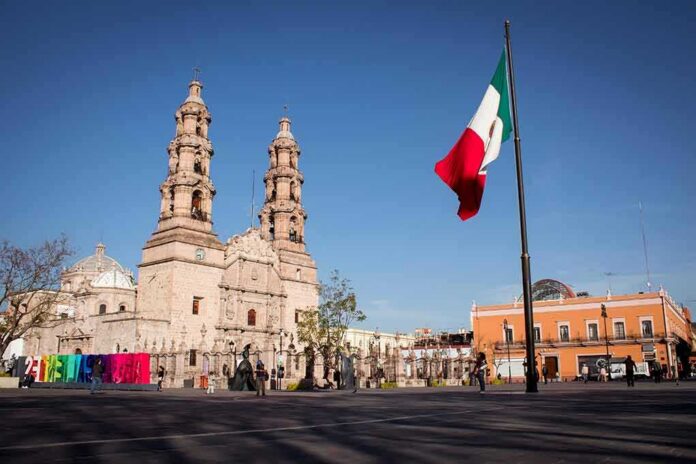
On April 19, 2026, a vehicle returning from an operation against suspected synthetic-drug sites in Chihuahua plunged into a ravine. Two alleged Central Intelligence Agency officers and two Mexican officials died in the crash, according to multiple outlets. The incident revealed a deeper dispute over who approved what, and when. Chihuahua officials said the Americans were instructors tied to the embassy, while Mexico’s national government said they were not cleared for field work. The confusion fueled public anger and legal fallout.
The New York Times reported that Chihuahua’s former prosecutor and police commander, Guillermo Zuany Portillo, helped “shepherd” Central Intelligence Agency officers as they trained state forces, advised on counter-cartel missions, and sometimes joined select operations over more than six months. The report cited interviews with nine Mexican and U.S. officials and law-enforcement officers. That account suggests activity beyond classroom training. It also points to a shadow line between liaison support and direct action that both governments say they respect in public statements.
Mexico’s Sovereignty Claim Versus On-The-Ground Cooperation
Mexico’s Security Ministry stated that the Americans entered as a visitor and as a diplomat, and that neither had formal accreditation to take part in operations on Mexican soil. That is a clear sovereignty claim. Local accounts in Chihuahua, however, described a joint convoy returning from a raid and said the Americans had been embedded in some way. State officials also floated a narrower version, saying the Americans were instructors who trained on drones far from the action. Those clashing versions widened mistrust.
The deaths led to fast political consequences. Chihuahua Attorney General César Jáuregui resigned within days, showing the shock inside local institutions. Later reporting described a federal treason case tied to the covert cooperation, underscoring how serious Mexico’s national authorities view the boundary between training and operations. That legal posture signals that future cooperation may face tighter controls and more paperwork before any cross-border help reaches the field.
Washington’s Line: Partner With Respect, Fight The Cartels
U.S. government statements stress that security work with Mexico is reciprocal, respects sovereignty, and follows each country’s laws. Joint communiques describe shared goals to stop fentanyl and weapons flows and dismantle cartel networks. A former senior U.S. Embassy official described the Central Intelligence Agency as a facilitator and coordinator on key anti-narcotics tasks. The public message is steady: partners act within legal frameworks, not as free agents. That message now collides with Mexico’s non-authorization claim.
The White House and the U.S. Embassy framed the deceased Americans as supporting Chihuahua’s efforts, not running Mexican units. Mexican Security Secretary Omar García Harfuch said receiving a support request is different from planning or joining an operation, and that U.S. agents had not been in the field with Mexican forces. Those points aim to draw a bright line. Yet the April crash, the convoy reports, and the resignation in Chihuahua keep that line under pressure.
Why This Should Alarm Conservatives
Border security is national security. Every time roles blur, cartels win. When missions are not fully authorized, Americans and Mexican allies face extra risk. The crash showed the human cost. It also showed how unclear rules can spark a foreign backlash that stalls real cooperation. Conservatives value tough but lawful action. That means clear authority, clean chains of command, and results that hold up in court and in public. Anything less undermines trust and success.
The CIA needed a foothold on the Mexican side of the border.
So they turned to a Mexican official who had just had his U.S. visa revoked for suspected ties to cartels.@Stevelfisher and I take you inside the covert CIA operations in Mexico:https://t.co/eyif0GaOrY
— Jack Nicas (@jacknicas) November 10, 2026
President Trump’s team has pledged order at the border and a hard stop to fentanyl. That requires tight coordination with Mexico that honors both countries’ laws. It also requires Congress to oversee covert work and insist on plain lines: who trains, who advises, who goes on a raid, and with whose signature. The Mérida-era model focused on training and intelligence, not boots in the field. Getting back to strict lanes can protect lives and keep pressure on the cartels without igniting diplomatic blowback.
What Comes Next: Clarity, Accountability, Results
Mexico’s federal probe into the crash and the officers’ presence should answer basic questions: authorizations, mission paperwork, chain-of-command, and who knew what. U.S. agencies should match that with a clear, lawful cooperation plan that Mexico can sign onto. Stateside, national leaders should brief oversight committees and set sharp red lines on any operational role. The goal is simple: help Mexico hit the cartels, stop poison at our border, and do it by the book so the work does not collapse under dispute.
Sources:
theamericanconservative.com, nytimes.com, bbc.com, english.elpais.com, freep.com, cbsnews.com, latimes.com, state.gov, congress.gov