

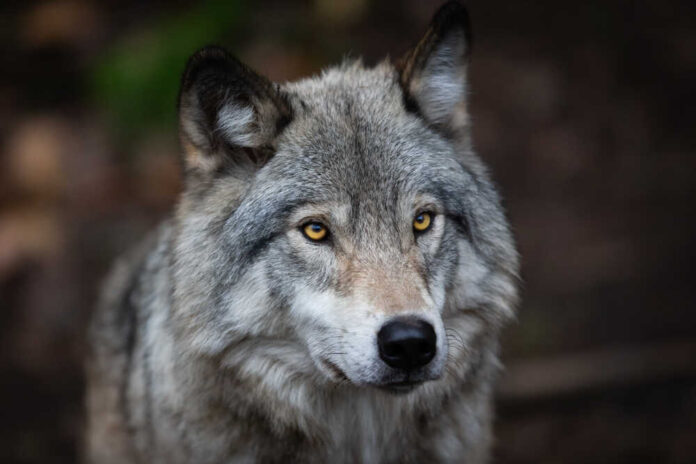
Oregon’s gray wolf population has surpassed 200 for the first time in 80 years, but this “conservation success” could spell disaster for ranchers.
Story Highlights
- Oregon’s wolf population jumped 15% in one year, reaching 204 individuals—the highest count since systematic eradication campaigns in the 1950s
- Ranchers face mounting livestock losses and operational costs as wolf numbers grow, with neighboring states already authorizing lethal control measures
- Federal oversight limits state management options, creating tension between conservation mandates and rural community needs
- The milestone triggers renewed debate over predator management priorities and whether current protections ignore economic impacts on working families
Population Milestone Raises Management Concerns
Oregon Department of Fish and Wildlife documented 204 gray wolves in its 2024 year-end report, representing a 15% increase from 178 the previous year. This marks the first time since mid-20th-century eradication campaigns that Oregon’s wolf population has exceeded 200 individuals. Wildlife biologists acknowledge these figures represent conservative minimum counts based on radio-collar data, trail cameras, and aerial surveys, meaning actual numbers are likely higher.
The population growth stems from natural recolonization rather than state-managed reintroduction programs. Gray wolves were effectively eliminated from Oregon by 1950 through systematic extermination campaigns led by ranchers and government bounty programs. The first confirmed wolf returned in 1999, with dispersing animals from Idaho gradually establishing packs across suitable habitat areas.
Watch; https://www.youtube.com/live/5jsFFohXyFw?si=AgSRG5Nsfb7aqkUo
Economic Burden Intensifies for Rural Communities
Ranchers and livestock producers in wolf-occupied landscapes increasingly face operational challenges as predator numbers climb. Wolves cause direct livestock losses through depredation while creating stress-related weight loss in cattle and sheep herds. Producers must invest in deterrents, guard animals, and fencing modifications, adding significant costs to already tight profit margins in rural communities.
The Metolius and central Oregon regions provide continuous habitat that supports wolf populations while overlapping with working ranchlands. This creates ongoing conflict zones where wolves, cattle, sheep, and ranching families interact daily. Ranching interests maintain significant political influence in rural counties, pressing state officials for rapid responses to depredation incidents and arguing that growing wolf populations threaten agricultural livelihoods.
Federal Constraints Limit State Management Options
State wildlife agencies operate under federal oversight in areas where wolves remain protected under the Endangered Species Act. The U.S. Fish and Wildlife Service holds ultimate authority over lethal removal decisions in federally listed zones, constraining Oregon’s management flexibility despite local conflicts. This federal-state tension mirrors broader debates over environmental regulation and local autonomy across the American West.
They also seeded wolves in California near Lassen. Now half those wolves are down in the valley living on livestock and family pets.
Experts stunned as rare predator population tops 200 for first time in 80 years: 'They are trying to stay' – The Cool Down https://t.co/01cSzPK0sX
— Roy Bean (@RoyBeanTree) December 4, 2025
California recently authorized state-sanctioned wolf killings despite conservation objections, while Idaho, Wyoming, and Montana implemented contentious hunting seasons following earlier recoveries. Oregon’s growing wolf population follows this regional pattern where small population changes trigger significant political reactions. State wildlife commissions face pressure to balance federal recovery mandates against rural community concerns about predator impacts on traditional land uses.
Sources:
Oregon gray wolf population increased – The Cool Down
First state-authorized killings mark escalation in California’s management of wolves – Mongabay