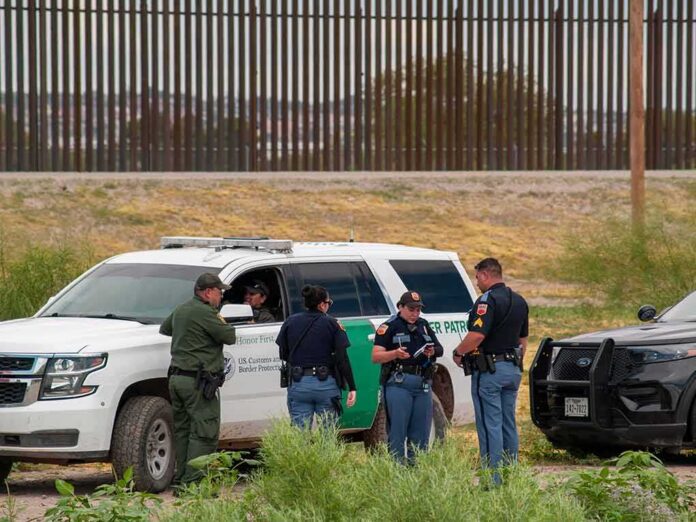
Fentanyl deaths fell 22% in a single year as President Trump’s border crackdown notched its first full year of hard numbers.
Story Snapshot
- Synthetic opioid deaths dropped from 48,913 in 2024 to 38,084 in 2025, a 22% decline the White House credits to border enforcement.
- Total drug overdose deaths fell 14%, from 81,313 to 69,973, according to federal data cited by the administration.
- Border Patrol has gone 15 straight months without releasing a single illegal border crosser into the U.S. interior.
- Critics argue fentanyl mostly enters through legal ports of entry, not with migrants, and say the administration inflates its numbers.
Fentanyl Deaths Drop as Border Crackdown Continues
The White House says President Trump’s border and cartel strategy is saving American lives. Synthetic opioid deaths dropped 22% in one year, falling from 48,913 in 2024 to 38,084 in 2025. Total overdose deaths fell 14%, from 81,313 to 69,973. Fox News confirmed the broader trend, reporting overdose deaths plummeted more than 20% last year using the latest Centers for Disease Control and Prevention data.
Homeland Security officials point to this as proof that shutting down catch-and-release and hammering cartels works. Kari Lake and other administration voices have described the effort as an “all-hands-on-deck approach,” tying together border agents, drug enforcement, and diplomatic pressure on Mexico into one coordinated push against the fentanyl pipeline that devastated American families under the previous administration.
Zero Releases Mark Historic Shift From Catch-and-Release
Border Patrol has now gone 15 straight months without a single catch-and-release, according to Fox News reporting on Department of Homeland Security data. That is a stark reversal from 2023, when the Biden administration regularly topped 100,000 catch-and-releases in a single month. The Washington Times reported the shift has already begun squeezing cartel income at the border.
Customs and Border Protection figures back up the trend. One agency release noted southwest border apprehensions ran 96% below the Biden-era monthly average, with fewer people caught in a full month than were apprehended in just four days back in August 2024. Supporters see this as the clearest evidence yet that enforcement, not amnesty, controls the border.
Critics Push Back on the Administration’s Numbers
Not everyone accepts the administration’s causal story. National Public Radio reported that critics see little evidence that Trump-era border measures curbed fentanyl trafficking, and that many specialists doubt cartel crackdowns meaningfully slow the drug’s flow. A former border security official quoted by The Guardian went further, accusing Trump of using the opioid crisis to unfairly blame migrants for the crisis.
That same report cited a Cato Institute finding that U.S. citizens made up 89% of convicted fentanyl traffickers in 2022, with most seizures happening at official border crossings rather than among illegal crossers. Axios separately reported that even as asylum-seeking crossings dropped, cartels and smugglers stayed just as active as before, challenging the idea that the border problem is fully solved.
The disagreement partly comes down to definitions. Researchers note fentanyl overwhelmingly moves through legal ports of entry and commercial trade, not remote desert crossings, making it harder to draw a straight line between apprehension numbers and drug deaths. Even so, the administration’s overdose figures are drawn from federal data, and the decline in both deaths and border crossings happened at the same time under the same policies.
For conservative voters who spent years watching fentanyl pour across an open border under lax enforcement, the numbers tell a simple story: stricter policy, fewer deaths. Whether every drop in overdoses traces directly to border agents or to broader factors, the administration’s central claims about interior releases and apprehensions rest on agency data that critics have not seriously disputed, even as they debate what caused the fentanyl decline itself.
Sources:
youtube.com, whitehouse.gov, pjmedia.com, politifact.com, cbp.gov, washingtontimes.com, npr.org, latimes.com