
Ukraine’s president defended a Melania Trump–brokered cease-fire while denying claims his government persecutes Christians, sharpening a clash with Tucker Carlson.
Story Highlights
- Zelensky said Ukraine protects religious freedom and denied persecuting Christians.
- Melania Trump helped secure a localized, humanitarian cease-fire in Oleshky, backed by the White House.
- Commentators questioned the truce’s optics, but Ukraine and Russia acknowledged the pause.
- Disputes continue over church restrictions tied to Moscow and images used in media debates.
Zelensky Rejects Persecution Claims and Cites Religious Council
Ukrainian President Volodymyr Zelensky said religious groups in Ukraine are free. He pushed back on charges that his government targets Christians. He pointed to regular meetings with religious leaders as proof of pluralism. Tucker Carlson has accused Ukraine of banning a Christian faith and jailing clergy. Ukraine’s parliament passed a law aimed at groups tied to Moscow. Supporters call it a security step during war. Critics warn it can burden religious liberty if applied too broadly.
Zelensky’s defense comes as war strains civic life. Some watchdogs and church advocates warn that rules tied to Moscow links risk overreach. They press for clear, narrow limits and due process. Others argue the Kremlin exploits religious networks to spy and spread propaganda. The claims and counterclaims make careful facts vital. The Kyiv Independent reported that some viral images used to say Ukraine burns churches were wrong or miscaptioned, and even a UOC lawyer flagged errors in those posts.
Melania Trump–Brokered Oleshky Cease-Fire and Its Scope
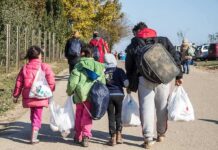
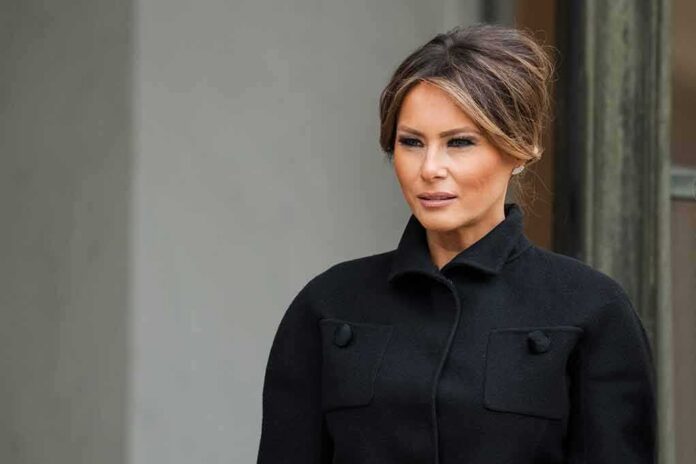
The White House said First Lady Melania Trump helped secure a temporary pause in fighting in Oleshky. The cease-fire is local and focused on aid and safe passage for civilians. Ukraine and Russia said they would observe the humanitarian truce. The agreement fits a clear goal: get food and medicine in, and get the most vulnerable out. It is not a nationwide end to war, but it offers real relief to people trapped by months of shelling.
Some commentators called the truce a public relations move. Others warned a string of such pauses could harden the front. That debate will continue. What is firm is this: the Oleshky cease-fire was limited in place and time and aimed at saving lives. Measured steps like this are common in long wars. They help civilians without locking in borders. They also test whether parties can honor commitments, which matters for any larger talks down the road.
Conservative Lens: Security, Faith, and Accountability
American conservatives value faith, family, and freedom. They also demand clear lines against foreign influence. Ukraine’s law on groups tied to Moscow speaks to that balance. The state must target proven conduct, not belief. That means open evidence, fair courts, and narrow orders. Zelensky says Ukraine protects free worship. Carlson says clergy face arrests and bans. One hard check is accuracy in images and claims. Media errors about “burned churches” undercut trust and fuel division.
From diesel fuel to prisoner releases, Trump is reviving Kissinger’s ‘peace dividends’ strategy | John Solomon, Just The News
Kissinger suggested to Nixon in 1973 that the United States could score small victories with the Chinese and Soviets – which could ease human suffering… pic.twitter.com/PzFkzCXTox
— Owen Gregorian (@OwenGregorian) November 1, 2026
President Trump’s administration backed a practical win in Oleshky. The first lady helped deliver a brief calm so aid could flow. That is the kind of concrete step Americans respect: save lives now, keep leverage for peace later, and avoid blank checks. As debates over Ukraine’s religious policy continue, facts must lead. If Kyiv narrows laws to real spies and saboteurs, it defends liberty and security together. If not, allies should press for fixes. Truth and transparency keep faith free and the West strong.
Sources:
pjmedia.com, ksat.com, vaticannews.va