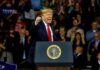
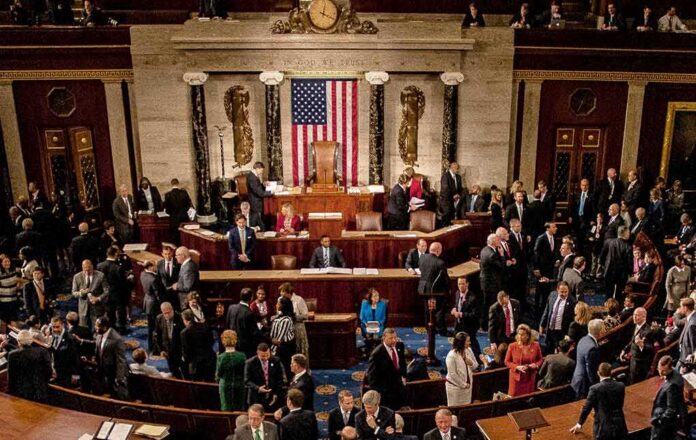
Democrats who won Congress now threaten to burn their mandate on chasing President Trump instead of cutting prices and fixing costs, critics warn.
Story Highlights
- Democrats outline sweeping probes of Trump’s “corruption” as their first marquee move.
- Leaders say they can investigate while lowering costs on gas, groceries, and healthcare.
- Analysts argue this focus risks missing voters’ demands for practical economic relief.
- History shows divided government supercharges investigations and lengthy hearings.
Democrats Signal Oversight Blitz While Voters Want Relief
Democratic chairs and senior members announced plans to use subpoenas, document demands, and hearings to probe alleged self-enrichment tied to President Trump and his associates. They listed targets from business dealings to immigration enforcement and past criminal cases, signaling a heavy oversight calendar. Critics on the right say voters asked for lower costs and safer streets, not another round of Trump drama. They warn time spent on political theater will not reduce grocery, power, or insurance bills.
Democratic leaders counter that they can work on prices and accountability at the same time. They presented a 100-day push to lower costs of gas, groceries, and healthcare, alongside oversight of the administration. That promise aims to calm independents who want results, not headlines. But every subpoena, deposition, and contempt fight can eat floor time. It can also force cabinet officials to spend days in hearing rooms instead of working on permits, energy supply, and healthcare rules.
Conservative Critics See A Mandate at Risk
Right-leaning analysts argue the party risks repeating a pattern that voters dislike: investigations first, kitchen-table bills later. They say Americans still face high prices and rising fees as promised relief lags. One conservative analysis framed the Democrats’ victory as a two-year job interview. It warned that wasting time “beating up on” Trump would fail the basic test of making life cheaper and safer for families. That analysis reflects a broad concern outside the Beltway.
Republicans note that real relief starts with more American energy, stronger supply chains, and fewer rules that drive up costs. They argue Congress should fast-track permits for drilling, pipelines, and refineries to bring down fuel and shipping costs. They add that competition bills can hit hospital monopolies and pharmacy middlemen to cut healthcare bills. They say those steps beat hearings that please cable hosts but do not change the price at the pump or pharmacy counter.
Democrats Say Oversight Is Accountability, Not a Distraction
Democratic lawmakers argue Congress must expose waste, fraud, and abuse. They say investigations can force testimony under oath, obtain records, and refer defiance to courts when needed. They also claim oversight can check corporate profiteering in healthcare and energy, which they blame for high prices. Their message to voters is simple: lower costs plus accountability. They insist they will “walk and chew gum,” keeping hearings moving while moving bills on gas, groceries, and healthcare.
That twin-track pitch faces a practical test. Hearings create headlines and partisan heat. Complex cost bills need quiet work, cross-party votes, and time. Every news cycle spent on Trump probes can drown out committee markups on energy and health. If prices stay high next summer, voters may not care who testified. They will ask what the majority did to cut bills. The party that answers first and clearly will hold the high ground heading into 2028.
History Points to More Hearings and Longer Fights
Political research finds divided government drives more investigations and makes them last longer. A major study tracking probes since the mid-twentieth century found that House committees investigated the executive branch far more often under split control, and probes tended to run longer in those periods. That pattern suggests neither side is unique. It also warns that the calendar will tilt toward oversight by default unless leaders put strict guardrails on time and scope.
For conservatives, the stakes are basic: family budgets, energy security, and the rule of law. Voters want cheaper groceries and gas, reliable power, secure borders, and honest governance. If Congress spends its capital on spectacles, the public will notice. If leaders make bipartisan progress on energy permits, hospital competition, and drug pricing transparency, the public will notice that too. Results, not rhetoric, will decide who actually earned a mandate—and who wasted it.
Sources:
theamericanconservative.com, npr.org