
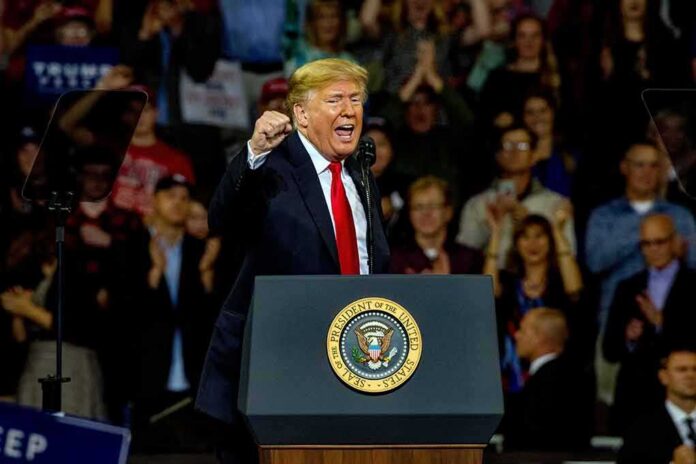
Calling into Fox News after the midterms, President Trump credited Democrat discipline and heavy spending while defending his push to boost GOP turnout.
Story Snapshot
- Trump said Democrats “did a good job,” citing organization and messaging after tough midterm results.
- Trump highlighted his late push: 28 rallies and targeted tele-rallies to drive Republican turnout.
- Media framed results as a rejection of Trump, even as some GOP candidates still leaned on his support.
- Polling headwinds and cost-of-living attacks shaped the battlefield, limiting Republican gains.
What Trump Said On Fox And Why It Matters
President Trump phoned Fox News after the midterms and said, “The Democrats did a good job,” pointing to their organization and turnout game. Coverage the same night cast the outcome as a setback for his party and framed it as a rejection of Trump-backed candidates. Trump did not accept that framing. He instead focused on Democratic execution and the wave of negative coverage leading into Election Day. That contrast set the tone for how both sides will spin what comes next.
Trump also defended his late-campaign push. From October 1 to November 2, he held 28 rallies across the country. He added targeted telephone rallies for key Republicans and told supporters these events were “very important,” claiming they boosted turnout. He used the phone-ins to localize races and fire up core voters. The goal was simple: match Democratic energy and remind conservatives what was at stake with Congress on the line.
How Republicans Used — Or Avoided — Trump
Republican candidates took different paths with Trump. Some welcomed rallies to excite the base and draw media to down-ballot races. Others kept their distance in swing districts. A national review reported that in many competitive races, Republicans downplayed ties with Trump or broke with him on policy to court independents. That tension shows the hard midterm math: energize loyal voters without losing the middle. A few still appeared onstage with Trump despite the risks.
That split screen shaped the night’s narrative. Establishment outlets pushed the line that voters rejected Trump’s brand, citing losses in several key contests. But that claim rests on broad impressions, not race-by-race causal proof. The record shows a heavy Trump travel schedule and candidate choice. It also shows Democrats saturating voters with affordability and war-focused attacks. The data we have does not isolate the pure effect of any single rally or endorsement on final margins.
The Structural Headwinds Republicans Faced
Polling headwinds were real. Multiple outlets reported Trump’s approval in the mid-30s before the vote, a drag every Republican had to manage. History says presidents usually lose ground in midterms, and approval ratings matter for House results. That backdrop made each GOP race an uphill climb, even with strong local candidates and energetic volunteers. Democrats further pressed their edge with sharp, repeated messaging on prices and kitchen-table pain.
Democratic groups and candidates hammered cost-of-living lines and tied Republican positions to household strain. Outside reporting detailed ads that linked national issues to family budgets across dozens of races. The message discipline mattered. Voters looking at grocery bills and gas prices heard a steady drumbeat blaming Republicans. That created a unified frame that local Republicans had to fight every single day, often with less media oxygen than Democrats enjoyed.
Did Trump’s Rallies Work? What We Can And Cannot Say
We can say Trump showed up. He traveled, rallied, and dialed into targeted calls to lift turnout. We can also say some Republicans still sought his help, especially to spark the base in tight races. What we cannot say, from public data so far, is that rallies clearly changed outcomes in a measurable way across districts. News coverage documented the activity and Trump’s own claims, but did not present controlled comparisons proving a rally effect on vote share.
Conflict reporter/writer/cartoonist Ted Rall and political analyst Jamarl Thomas deprogram you from mainstream media every weekday at 9 AM ET.
Ted and Rall turn to Election Day, citing a record-low 32% Trump approval in the Reuters/Ipsos poll, a broad blue-wave expectation for… pic.twitter.com/uHPPVeVnND— Ted Rall, America's BS Detector (@TedRall) November 4, 2026
Trump’s Fox call framed the results as a story of Democrat execution and media headwinds rather than a verdict on his agenda. The evidence supports parts of each side’s case. Democrats ran a tight, simple message on affordability. Republicans faced approval drag and a historic midterm pattern. Looking ahead, conservatives should press for ground-game upgrades, sharper local economic contrasts, and relentless turnout work. The left will not stop. Neither should we.
Sources:
youtube.com, cleveland.com, usnews.com, abcnews.com, axios.com, nbcnews.com