Democrats claim a sweeping mandate after 2026, but the facts show Congress cannot “save America” from foreign crises or fix costs at home by itself.
Story Snapshot
- Democrats won control of both chambers and scored rare statewide wins in Texas.
- Analysts say near-term foreign-policy choices still sit with President Trump.
- Risks with Iran and nuclear tensions remain high despite the electoral shift.
- Democrats gained oversight tools, but those have real limits on war powers.
What The Election Actually Changed
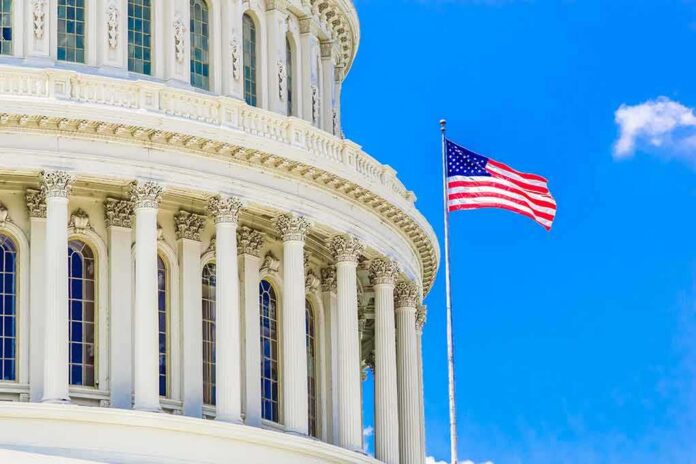
Democrats flipped the House and Senate in November 2026, calling it a mandate for change. Major outlets reported new Democratic control of Congress and a historic blue surge across Texas, where Republicans had dominated for decades. Those results matter for committee gavels and spending fights. They do not hand Congress the commander-in-chief role. The Constitution still gives the president broad authority over military operations and foreign affairs, even when Congress is hostile.
Texas results fueled big headlines. Local reports described sweeping wins and a political shock in key statewide races that broke long-standing trends. Enthusiasm on the left turned those numbers into a bigger claim: that voters rejected conflict overseas and would force a policy turn. That leap goes beyond what vote counts prove. Elections can signal public fatigue. They do not, by themselves, switch off wars or drop prices at the pump the next day.
Where Power Still Resides On War And Peace
Analysts across outlets agree on one core point. Presidents move first on urgent security choices, and Congress usually reacts later. Post-election analysis stressed that President Trump keeps near-term freedom of action, even with Democrats holding both chambers. A separate review said the effects of a new Congress can take months to show up in policy, especially overseas. During that window, escalation decisions live at the White House, not on Capitol Hill.
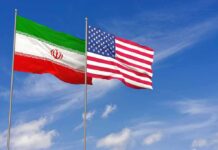
Market and security watchers warned that Iran tensions remained high in early November. One report even cited an eighty percent chance that fighting could resume if talks broke down. That same coverage noted that a war-powers measure would face timing and veto hurdles, limiting immediate leverage by Democrats. Nuclear risk also stayed elevated. A progressive outlet noted the end of the last strategic arms cap with Russia, which left no binding bilateral limits in place.
What New Democratic Majorities Can And Cannot Do
Democrats now control hearings, confirmations, and the purse. Those tools can slow or shape policy. They can force briefings, press nominees for answers, and insist on guardrails in spending bills. Post-election analysis listed these levers, while warning that real stopping power is limited when a president acts quickly overseas. That hard truth frustrates many. But it fits American practice. Congress influences war by funding, authorizations, and oversight pressure. It rarely directs day-to-day moves.
Some advocates urge Democrats to block new nuclear systems and broader weapons expansions, arguing that more warheads can lower the bar for use. They warn that once a nuclear device is used, leaders cannot contain the fallout or the spiral that follows. That stance will shape hearings and budget lines. It will not erase the president’s core duty to deter enemies and protect Americans. Any blanket “no” from Congress must still face reality abroad, where threats adapt and push back.
The Conservative Bottom Line
Democratic leaders say their win is a check on conflict and chaos. The record shows a narrower path. Congress can demand transparency, set conditions on funds, and expose waste or mission creep. It cannot order the military in the field. Analysts also caution that adversaries test new majorities. Some even read talk of restraint as a chance to press harder. That is why firm deterrence, clear red lines, and energy strength at home still matter most.
For families worried about prices, border security, and safety, the test is simple. Do policies lower energy costs, secure the border, and keep America out of avoidable wars while staying strong enough to win if forced to fight? Elections change committees. Results change lives. President Trump still carries the duty to act fast when danger rises. Democrats now face their own duty: fund what works, cut what fails, and stop chasing agendas that weaken deterrence while doing nothing to help working Americans.
Sources:
youtube.com, cnbc.com, nbcdfw.com, cbsnews.com, dallasnews.com, charlotteobserver.com