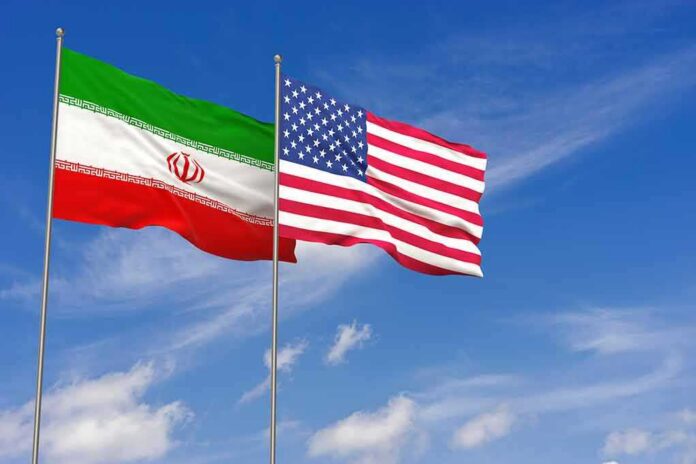
President Trump signaled the United States can walk away from a flawed Iran agreement rather than accept terms that weaken American security and waste taxpayer dollars.
Story Highlights
- President Trump said the United States does not need an Iran deal if the terms are weak.
- Council on Foreign Relations’ Richard Haass called a June memorandum with Iran “a terrible document”.
- Commentary cited U.S. operating costs near the Strait at about $50 million per day during tensions.
- Reports described internal debate over whether to keep talking or shift focus away from a deal.
Trump’s Walk-Away Signal and Why It Matters
President Trump stated that the United States does not need a deal with Iran if the terms are unacceptable, underscoring a basic rule in tough bargaining: the ability to say “no” keeps leverage high. That stance aligns with a common-sense view many conservatives share. A bad agreement can drain U.S. power, reward bad actors, and tie America’s hands later. Supporters argue that leaving the table is better than locking in weak inspections, lopsided sanctions relief, or soft deadlines that Tehran can exploit.
Negotiation scholars and national security veterans have long warned that a weak deal can be worse than none. History shows Iran pushes for recognition of enrichment rights, narrow inspections, and fast relief from sanctions. Past talks often stalled over these exact issues. A firm walk-away point forces the other side to decide if it wants real limits or continued isolation. For families paying higher prices when energy markets shake, a clear policy beats drift and mixed signals.
Haass’s Critique and Reported Costs During Tensions
Richard Haass, President Emeritus of the Council on Foreign Relations, described a June memorandum of understanding with Iran as “a terrible document,” signaling that at least some proposed terms raised red flags even for an establishment voice. Media discussion also noted that keeping pressure at sea during recent tensions was expensive, citing an estimated United States operating cost of about $50 million per day. That figure, presented in commentary, highlights the price of holding the line without a sound deal.
Those facts reinforce the logic behind “no deal is better than a bad deal.” If the other side benefits while we pay the bill, the terms are wrong. A serious bargain must produce strict monitoring, meaningful penalties for cheating, and clear steps that reduce threat, not disguise it. Otherwise, Washington risks paying more, deterring less, and inviting further tests from Tehran. A flawed paper deal that cannot be enforced is not peace; it is delay with a price tag.
Internal Debate and the Stakes for U.S. Policy
Reports described Vice President J.D. Vance weighing possible talks with a senior Iranian security figure while President Trump said the United States did not need a deal. That shows a real policy debate inside the administration: keep negotiating now, or step back until Tehran accepts tighter terms. Either path must protect Americans, our troops, and our allies. The Constitution tasks our leaders with defense of the nation. Any agreement must honor that duty first, not chase favorable headlines.
Supporters of a tougher line say the United States should not reward hostile acts with relief. They argue that Tehran must feel the pressure until it chooses verifiable limits. They add that clarity reduces risk. Clear red lines, strong sanctions, and a credible walk-away point can shorten crises and prevent miscalculation. The goal is not endless confrontation. The goal is a safer deal, or no deal, while American strength keeps the peace from a position of confidence.
Lessons From Prior Rounds With Tehran
Prior U.S.-Iran rounds show a pattern: Tehran presses for recognition of enrichment, narrow inspections, and rapid relief, while Washington seeks strict limits and broad verification. Analysts note that sanctions played a role in pressuring Iran to negotiate earlier in the 2010s. That record supports a simple lesson. Pressure works when it is firm and consistent. If Washington blinks, the other side banks the gain and asks for more next time, leaving America to pay in cash, risk, or both.
The road ahead will test this principle. If Iran wants relief, it can accept tight inspections, intrusive verification, and snapback penalties. If not, the United States can leave. Walking away is not weakness when the terms are bad; it is discipline. President Trump has set that marker. Now Tehran must decide whether it prefers a real agreement that reduces danger, or a standoff that keeps pressure on until a better offer is on the table.
Sources:
journals.sagepub.com, belfercenter.org