
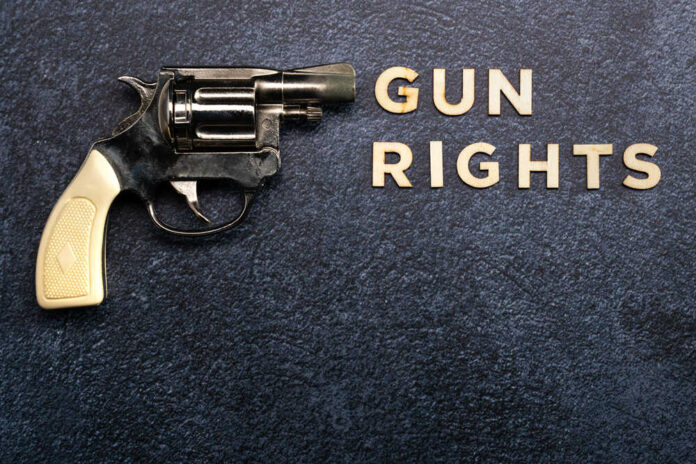
A major victory for Second Amendment advocates, as the court strikes down California’s restrictive open-carry ban.
Story Highlights
- The U.S. Court of Appeals for the 9th Circuit rules against California’s open-carry ban, citing Second Amendment violations.
- The decision affects 95% of Californians residing in populous counties.
- Judge Lawrence VanDyke emphasizes historical precedence for open carry in the U.S.
- California’s Attorney General considers appealing the ruling.
9th Circuit Strikes Down California’s Open-Carry Ban
On January 2, 2026, the U.S. Court of Appeals for the 9th Circuit struck down California’s ban on openly carrying firearms in counties with populations over 200,000. The 2-1 decision ruled that the ban violated the Second Amendment, following the framework set by the Supreme Court’s 2022 decision in the New York State Rifle & Pistol Association v. Bruen case. This ruling highlights the importance of historical consistency in firearm regulations, with Judge Lawrence VanDyke’s majority opinion underscoring the historical protection of open carry.
The ban, enacted in 2012, was part of a broader push for gun control following the Sandy Hook tragedy. The law targeted urban areas, effectively banning open carry in most of the state while still permitting concealed carry with licenses. However, the court found no records of open-carry licenses being issued, even in eligible rural counties, indicating a de facto statewide ban. This decision marks a significant shift in California’s gun control policies and sets a precedent for future legal battles.
California’s open-carry ban blown up in major Second Amendment ruling https://t.co/EThTbJj2PZ pic.twitter.com/0v3WyI6Clo
— New York Post (@nypost) January 3, 2026
Historical Context and Legal Arguments
California’s open-carry restrictions were initially justified as a measure to enhance public safety. However, the 9th Circuit’s ruling argues that such measures must align with the nation’s historical firearm traditions. Judge VanDyke’s majority opinion criticized California’s 2012 legislation for deviating from these traditions. The decision draws from the Supreme Court’s Bruen ruling, which mandates that gun laws should not only be effective but also consistent with historical practices.
The court’s decision has met with mixed reactions. Proponents of the ruling view it as a victory for constitutional rights, while opponents worry about the potential implications for public safety. The ruling also places pressure on other states with similar bans, potentially influencing future legislation and litigation across the country.
Potential Implications and Next Steps
The ruling’s immediate impact is significant, with potential increases in open-carry permit applications in rural areas. Urban residents gain a presumptive right to open carry, pending any appeal or stay. This decision could weaken California’s strict gun control framework and might lead to the invalidation of similar laws elsewhere. The state of California, through Attorney General Rob Bonta, has expressed its commitment to defending its gun laws and is considering appealing the decision.
Looking forward, this ruling could bolster conservative narratives advocating for Second Amendment rights, especially in traditionally blue states like California. It may also influence the national dialogue on gun rights and regulations, emphasizing the balance between individual freedoms and public safety.
Sources:
US appeals court strikes down California’s open-carry ban in major Second Amendment ruling
Federal judges strike down California open-carry ban