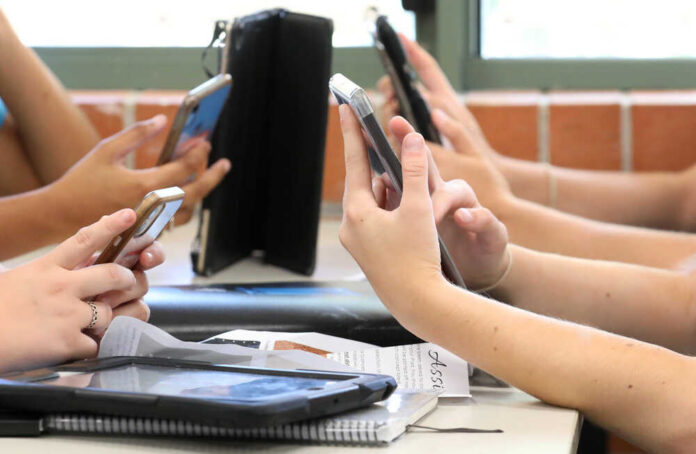
Social media is now facing a direct crackdown from British leaders after parents said their children were slipping into unhappiness and addiction.
Quick Take
- Keir Starmer announced a plan to ban under-16s from major social media platforms in the United Kingdom.
- The government says more than 116,000 people responded to its consultation, with over 90 percent backing an under-16 ban.[4]
- The plan targets platforms, not children, and includes multimillion-dollar fines for companies that fail to comply.[4]
- Critics say the policy still leaves big questions about age checks, VPN bypasses, and enforcement.[2][4]
Parents Push, Government Moves
Prime Minister Keir Starmer said the government will move to block under-16s from social media after hearing from parents who say their children are addicted, unsafe, and unhappy. He framed the move as a response to real family concern, not a theory from distant experts. The consultation behind the plan drew 116,000 responses, and the government says more than 90 percent backed an under-16 ban.[4]
That public support matters because the issue is now political as well as personal. British officials say the ban would cover major platforms such as TikTok, Instagram, Snapchat, Facebook, X, and others named in reporting. The government also says the rules will focus on the companies that run the services, not on punishing children for trying to use them.[1][4]
What The Ban Would Cover
The announced policy goes beyond simple account limits. Starmer said the government wants action on gaming services and live streaming platforms where strangers can contact children. Reporting also says the plan could reach other services, though some parts remain less clear than the main platform list. Messaging services such as WhatsApp and Signal are not included, which leaves a possible gap in how harmful content might move between apps.[3][4]
That gap is one reason the plan is already drawing fire from both supporters and critics. Starmer has acknowledged that children will try to get around the rules, including through virtual private networks. But the public statements available so far do not spell out a detailed technical fix for bypasses or age verification. The government has pointed to the Australian model, but it has not yet laid out the full mechanics in public.[2][4]
Why Supporters Say Action Is Needed
Supporters of the ban point to research showing that heavy social media use can be linked with lower happiness and worse mental health in some young people. Johns Hopkins Medicine says frequent use may affect emotions, learning, impulse control, and exposure to cyberbullying or negative content, while also stressing that the evidence is correlational, not proof of direct causation.[2] That distinction matters, but it does not erase the concern many parents already feel.
Other child-health sources also list clear risks, including poor sleep, low self-esteem, harmful content, and unwanted contact from strangers. The American Academy of Pediatrics says social media can also bring benefits, such as social connection and self-expression, which is why this issue is not simple. Still, many families now see the risks as too broad and too constant for children to manage alone.
🇬🇧 UK PM KEIR STARMER ANNOUNCED TO BAN SOCIAL MEDIA FOR UNDER-16s.
PM KEIR STARMER: “We’re giving children their childhoods back.”
Key points👇
– Under-16s banned from most major social media platforms
– X, TikTok, Instagram, YouTube, Reddit, Facebook, Snapchat and others… pic.twitter.com/hORzixZfuZ
— Alaoui Capital (@Alaouicapital) June 15, 2026
Enforcement Questions Still Hang Over The Plan
The biggest open question is whether the ban can work in the real world. Reporting says the government will target platforms with fines if they fail to take reasonable steps to keep children under 16 out. That sounds firm on paper, but it also depends on age checks that have not yet been fully explained. Critics say that leaves the policy open to loopholes, privacy concerns, and headline politics without hard proof of control.[4][2]
The debate now centers on a familiar conservative concern: whether government can promise safety through rules it may not be able to enforce. Parents are right to demand action when kids are being pulled into endless scrolling, harmful content, and bad habits. But a law is only as strong as its enforcement. If officials cannot stop easy workarounds, the country may end up with a symbolic ban instead of a durable one.
Sources:
[1] Web – “Every parent can see it with their own eyes. Social media is making …
[2] Web – UK social media ban announced for under-16s – BBC
[3] YouTube – Keir Starmer announces social media ban for under-16s in UK
[4] Web – UK announces social media and live-streaming ban for children …