California’s new “free diapers” rollout is being sold as universal help for families—while critics see yet another taxpayer-funded program launched as the state stares down serious budget pressure.
Quick Take
- Gov. Gavin Newsom announced “Golden State Start,” a program to provide 400 free diapers per newborn when families leave participating California hospitals starting in summer 2026.
- The program is initially targeted through 65–75 hospitals that serve many Medi-Cal patients, covering roughly 25% of births during the first phase.
- Funding totals roughly $19.9 million when combining $7.4 million already allocated and an additional $12.5 million proposed through FY 2027.
- Online “connecting dots” claims about hidden motives are circulating, but the available reporting and official statements do not document kickbacks or a corruption scheme.
What California Is Actually Launching—and When
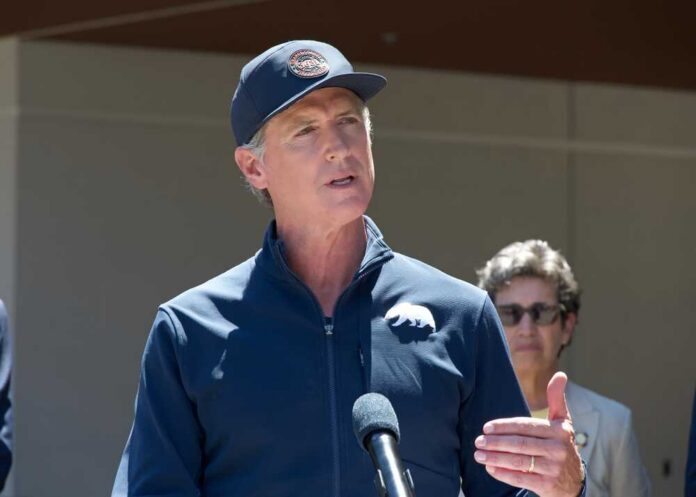
Gov. Gavin Newsom’s administration says “Golden State Start” will provide 400 diapers to “every newborn discharged” from participating hospitals beginning in summer 2026. The state is partnering with the nonprofit Baby2Baby, which is expected to handle manufacturing, logistics, and distribution through hospital networks. California also frames the effort as part of its CalRx initiative, which has focused on using scale to challenge high prices for household essentials.
The rollout is not statewide on day one. The initial phase prioritizes hospitals that serve large numbers of low-income families, with 65 to 75 facilities expected to participate first—covering about 25% of births, based on the figures cited in reporting and state materials. That means many families may not see the benefit immediately unless they deliver at a participating hospital, even though the program is marketed as broadly “for all new parents.”
The “$20 Million” Claim: What’s Documented, What Isn’t
Critics online keep repeating a “$20 million” figure, and the publicly described funding does come close to that total. Reporting cites $7.4 million already allocated for the launch and a proposal for an additional $12.5 million through FY 2027, which adds up to about $19.9 million. Fox News also reported that questions about exact costs were raised, with some details not fully answered at the time.
What the current research does not show is evidence backing more sensational insinuations that “dots” lead to a pay-to-play pipeline or a personal enrichment scheme. The sources available here describe an arms-length partnership with a nonprofit and a policy goal tied to affordability. If there is a legitimate accountability concern, it is not yet a documented scandal; it is the basic governance question of how California tracks contracts, outcomes, and administrative overhead as the program scales.
Why This Program Lands Differently in a High-Deficit State
California’s budget context is central to why this announcement is drawing attention. The program arrives as the state faces widely discussed deficit pressures, and fiscal skepticism is amplified when leaders add new benefits—even relatively small ones compared with the total state budget. Conservatives tend to see this pattern as a familiar political move: new spending packaged as compassion, with long-term obligations that outlast the press conference and survive only through continued taxpayer support.
Supporters argue the need is real. Baby2Baby and allied advocates point to the “diaper gap,” often described as affecting about 1-in-2 U.S. families, and the state notes the broader cost of raising children in California. From a limited-government perspective, the most relevant question is whether this program becomes a narrowly tailored bridge for the most vulnerable families—or an open-ended entitlement that expands while lawmakers avoid the harder work of lowering costs through deregulation, competition, and economic growth.
What to Watch: Implementation, Eligibility by Geography, and Price Claims
State materials describe this as “first-in-the-nation” at a universal scale, contrasting it with narrower programs in places like Tennessee and Delaware that have used Medicaid-limited models. California also ties the diapers initiative to CalRx’s stated goal of using purchasing power to push down prices. That ambition matters, because if the state truly can increase competition and lower market prices, the benefit could extend beyond a one-time 400-diaper allotment at discharge.
People Are Connecting Some Dots About Gavin Newsom's $20 Million 'FREE DIAPERS' Program https://t.co/Q7FY20hzfy
— 🇺🇸Harry Hopkins✝️🐖 🍸🐕 (@harryh12801) May 9, 2026
The test will be measurable follow-through: which hospitals participate, how quickly access expands, what the per-baby cost actually becomes, and whether the state publicly reports outcomes beyond press-ready anecdotes. For Americans across the political spectrum who feel government often serves itself first, transparency is the only antidote to rumor. Until hard evidence emerges, the “connecting dots” narrative remains speculation, while the documented story is a new, taxpayer-backed benefit launching during a tight fiscal season.
Sources:
Governor Newsom launches first-in-the-nation program providing free diapers for all new parents