President Trump’s newly brokered Gaza peace deal leaves many patriots questioning whether this agreement can truly deliver lasting security and American interests abroad.
Story Snapshot
- Trump announces a landmark Gaza peace deal after years of conflict, with both Hamas and Israel on board.
- The agreement’s first phase begins with a ceasefire and the return of hostages, but Israel maintains control over more than half of Gaza.
- Trump’s diplomatic style and regional dynamics spark skepticism about the plan’s durability and long-term impact.
- Questions remain about whether the deal truly secures American and Israeli interests against old threats and new instability.
Trump Unveils Gaza Peace Deal After Two Years of War
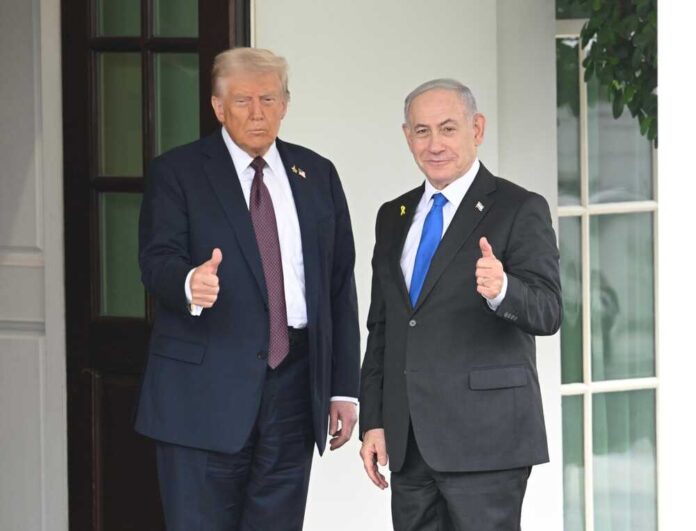
After two years of relentless conflict in Gaza, President Donald Trump announced a dramatic peace agreement, forged through indirect negotiations in Egypt. Both Hamas and Israel have formally accepted the deal’s terms, setting the stage for a potential end to hostilities. Trump plans to visit Israel, address the Knesset, and meet with Prime Minister Benjamin Netanyahu to signal American commitment. The initial phase will commence with the return of hostages, marking a hopeful but cautious step in a region long accustomed to failed ceasefires and broken promises.
Watch: Trump Announces Gaza Peace Plan: Can It Really Work? | Vantage on Firstpost | N18G
Ceasefire and Territorial Realities: Israel Retains Strategic Control
The peace roadmap includes an immediate ceasefire, with Israeli troops withdrawing to a specific line while still maintaining control over approximately 53% of Gaza. This arrangement represents a significant concession to Israeli security concerns but may also sow seeds of future discord, as past agreements have repeatedly unraveled over similar territorial disputes. For American conservatives, Israel’s retention of strategic control is seen as a necessary bulwark against terror threats, though critics warn it could complicate lasting peace.
Trump’s Negotiation Tactics and Global Perception
The announcement, made via Trump’s favored Truth Social platform, underscores his unconventional diplomatic style and willingness to break with the cautious incrementalism of previous administrations. This approach is hailed by supporters as a long-overdue assertion of American leadership in the Middle East, but it also draws skepticism from global observers who recall the region’s history of fleeting peace deals. Trump’s visit to Israel and public endorsement serve as a strong signal to adversaries and allies alike that the U.S. stands firmly with its democratic partner.
Challenges Ahead: Can the Deal Hold?
Despite the breakthrough, significant challenges remain. Ceasefires in West Asia have historically proven fragile, often collapsing under the weight of unresolved hostilities and external meddling. The continued presence of Israeli forces in over half of Gaza may inflame tensions with local populations and regional actors opposed to perceived occupation. Furthermore, both Hamas and Israel face internal pressures that could undermine compliance, while anti-American regimes and radical factions may exploit any sign of weakness or division.
What This Means for American Interests and Conservative Values
For Trump’s conservative base, stability in the Middle East aligns with America’s broader security interests and the defense of its allies. The peace deal’s emphasis on hostages’ release and Israel’s security resonates with those who demand strength, not appeasement, in foreign policy. However, lingering doubts about the durability of the agreement and the risks of U.S. overcommitment remain. Conservatives will continue to monitor whether this peace is genuine or simply a pause before the next round of regional chaos.
Sources:
https://www.bbc.com/news/articles/cvgqx7ygq41o