
The Pentagon’s order to pull 5,000 U.S. troops out of Germany is forcing a hard question: is Washington making a sober strategic shift—or turning alliance basing into leverage during a public feud?
Quick Take
- The Pentagon confirmed an order to withdraw about 5,000 U.S. troops from Germany over the next 6–12 months.
- The move follows a sharp public clash between President Trump and German Chancellor Friedrich Merz over U.S. strategy in the Iran conflict.
- Officials cited a force-posture review and “theater requirements,” but analysts say the timing invites political interpretation.
- Key operational details—what units move, from which bases, and where they go—remain unclear as NATO seeks clarification.
Pentagon Confirms 5,000-Troop Drawdown and Sets a 6–12 Month Window
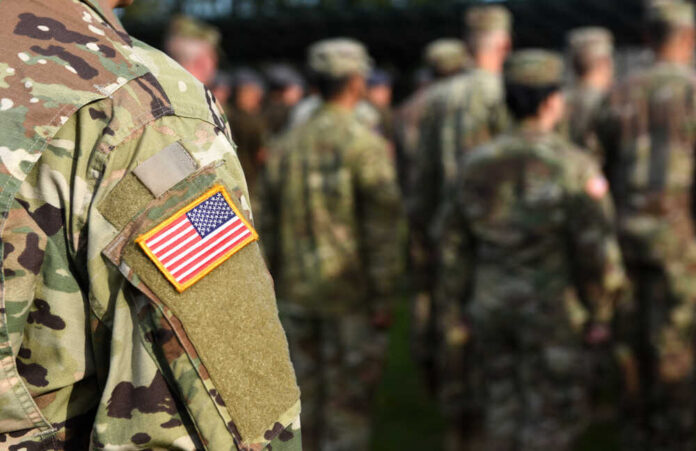
Pentagon spokesman Sean Parnell confirmed that the Secretary of War ordered the withdrawal of roughly 5,000 U.S. troops from Germany, with execution expected over the next six to twelve months. Reported totals put the current U.S. presence around 36,000 troops, making the reduction a noticeable cut rather than a symbolic tweak. The department framed the change as part of a broader force-posture review tied to Europe-wide requirements.
The basic numbers are clear, but the operational picture is not. Reporting indicates the planning is still in early stages and that specifics—exact units, installations, and follow-on locations—have not been publicly detailed. That uncertainty matters because Germany hosts major U.S. enabling functions, from command and logistics to training pathways that support deployments elsewhere. Until the Pentagon identifies what moves, the practical impact is difficult to measure.
How a Germany-Based Force Serves U.S. Power Projection, Not Just German Defense
Germany has long served as one of America’s largest overseas hubs, second only to Japan in overall posture, with reporting placing the total U.S. presence above 40,000 service members in some counts. Analysts emphasized that the troops stationed there are not simply a tripwire for German territorial defense; they also support U.S. operations beyond Germany through logistics, coordination, and staging functions that help project American power globally.
This distinction is often lost in political arguments that treat overseas basing as charity. If forces in Germany primarily support U.S. readiness and reach, then any reduction should be evaluated through a “what mission changes” lens rather than as a one-dimensional “retreat.” Conservatives who favor limited government still generally want clear, defensible rationales for overseas commitments—especially when costs, readiness, and deterrence are all on the line.
The Trump–Merz Dispute Over Iran Shapes the Timing Narrative
The drawdown landed in the middle of a public dispute between Trump and Merz over the U.S.-Israeli war against Iran and Washington’s approach to ending the conflict. Merz criticized the U.S. posture and called for a quick end, while Trump publicly dismissed Merz’s assessment and argued that the German leader misunderstood the nuclear threat. The withdrawal was publicly teased and then confirmed in close succession to these exchanges.
That sequence is why the announcement’s timing became part of the story. Some commentary described the decision as potentially punitive or “diplomatic revenge,” while the Pentagon’s explanation pointed to force-posture review and theater needs. Based on available reporting, the motives cannot be proved either way, but the optics create a predictable trust problem inside alliances: partners start wondering whether basing decisions are driven by strategy, politics, or both.
NATO Seeks Clarity as Europe Weighs Burden-Sharing and Deterrence
NATO said it is working with the United States to understand the details, underscoring that alliance planners need specificity to manage risk. Germany’s defense leadership publicly characterized a reduction as a foreseeable strategic shift, and think tank analysts noted Europe may be ready for some troop cuts even if the timing raised eyebrows. Still, without unit-level answers, it is unclear what the change means for readiness and regional deterrence.
The bigger political consequence may be a renewed argument over burden-sharing and sovereignty. European governments have long debated “strategic autonomy,” while many American voters—right and left—question endless commitments that feel disconnected from everyday economic pressure at home. With fuel prices reportedly pushed higher by disruption around the Strait of Hormuz, public patience for open-ended overseas strain is limited. Transparent objectives and accountability are now the missing pieces.
Sources:
Pentagon orders withdrawal of 5,000 U.S. troops from Germany as Trump escalates feud with Merz
U.S. plans to withdraw 5,000 troops from Germany amid Trump-Merz tensions over Iran